
Environmental tip: Gardening with a future
Climate and garden
Climate gardening experts predict a number of changes in our domestic gardens. There will be less rain, drier soil, and milder winters. Extreme weather events such as thunderstorms, heavy rain showers, storms, and hail will increase. Precipitation patterns will change, with some of the rain that does not fall in summer falling in winter instead.
All of this will have an impact on plants, planting times, and our gardening activities: Good news for gardeners is that growing seasons will be extended by about a third. The gardening year will start earlier, and harvests of lettuce, root vegetables, and cabbage, for example, may continue into December in some cases. Less welcome is the fact that plants are exposed to greater fluctuations—hot, dry summers and wet winters. New plant pests are spreading, migrating with the warmer climate. Others survive because winters are less frosty.
To help you continue to enjoy gardening, we have compiled a few recommendations based on the above forecasts.
What to do if ...?
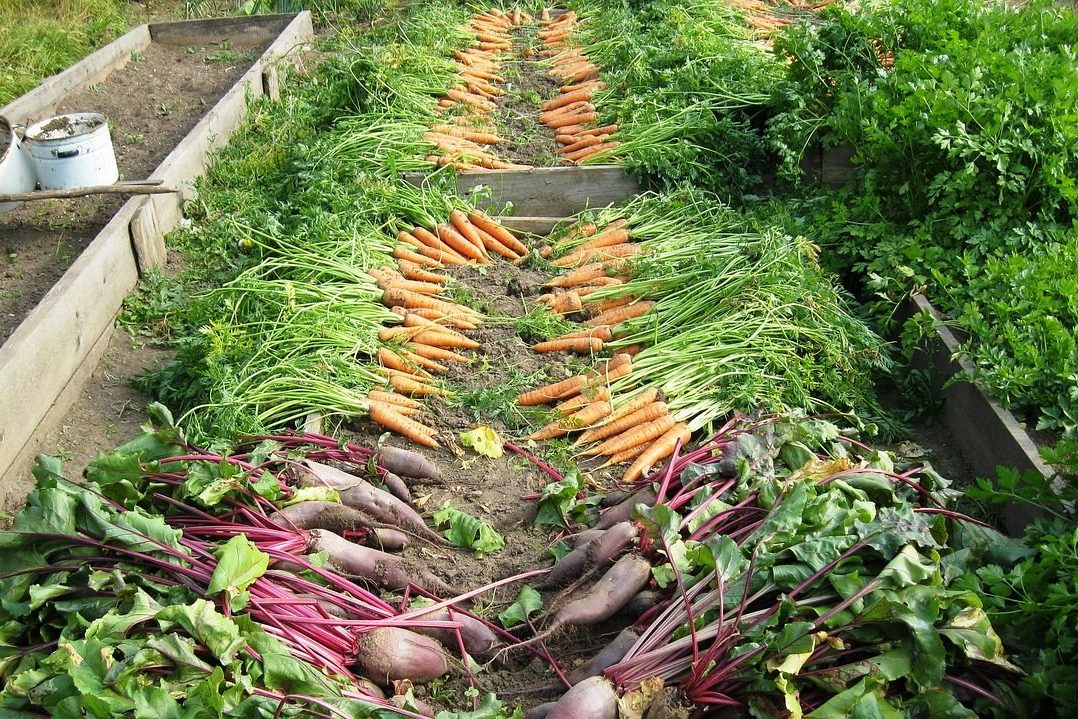
Prolonged summer drought: Avoid walking on the soil, as compacted soil cannot store water. To increase your soil's water storage capacity, it is important to take good care of it to improve its structure. Green manure plants (legumes) can also help, as their roots penetrate deep into the soil and loosen it up. Humus, e.g., from your own compost, is not only an optimal fertilizer but also a water reservoir. It releases water slowly to the plants. Focus on early vegetables such as peas, broad beans, etc., as these plants have their highest water requirements in early summer and not during periods of extreme drought. Sow root vegetables such as parsnips, root parsley, or beetroot as early as possible so that they can form a taproot in time. In perennial gardens, plants with low water requirements—such as coneflowers, coreopsis, mullein, or rock garden plants—will thrive.
Increase in heavy rainfall events: Protect the soil against erosion (soil loss) and promote its absorption capacity. The soil surface remains open-pored and thus receptive when it is planted, loosened, or mulched with organic material (straw, grass clippings, harvest residues). Cisterns and rain barrels store excess water for dry periods.
Extended growing season: Typical fall crops are no longer planned for harvest in early October, but often only for harvest in November. In midsummer and late summer, leafy vegetables, cabbage, and root vegetables can be planted again until the end of the year. These include fall salads such as radicchio and sugar loaf, Chinese cabbage, radishes, and much more. Throughout the winter, it is advisable to keep an eye on flowering weeds and weed them if necessary. This will prevent them from seeding. Sowing green manure and planting overwintering vegetables will become more important in the future. The latter include Brussels sprouts, savoy cabbage, leeks, and purslane, which add variety to the dinner table.
Plant pests: Mild winters mean that species such as voles and aphids are hardly decimated anymore. In addition, many insects have a higher reproduction rate in warm summers and can produce several generations due to the longer growing season. The codling moth, for example, used to occur in two generations per year, but now often manages three. Extreme weather conditions can trigger epidemics – whether caused by fungi, bacteria, viruses, or animal pests. Root weeds such as ground elder generally benefit from hot summers, as their extensive root systems mean they suffer less from drought than other plants. Wood sorrel is also becoming increasingly widespread. It germinates and thrives even in high summer temperatures.
Preventive measures include choosing suitable plants, balanced fertilization, and the targeted use of plant fortifiers. Beneficial insects, glue rings, pheromone traps, and protective nets can protect plants from pests in an environmentally friendly way. The Spanish slug is now well known. It is relatively insensitive to drought and is spreading further and further. An effective remedy is to spread a thick layer of sawdust, lime, or coffee grounds around the beds, as slugs avoid rough surfaces. For more tips, see the list of links below.
Plants with a future
Among the winners of climate change are trees such as ginkgo, pine, and walnut, and shrubs such as lilac, rock pear, and juniper. Roses also tap into deep soil layers with their roots, allowing them to draw on reserves during dry periods. In dry summers, the risk of fungal diseases decreases – which is good for roses. Robust bulbous flowers such as ornamental garlic and irises also survive heat waves without damage, as they store nutrients and water in the spring and can thus survive dry summer months.
Pure drought artists such as steppe plants, on the other hand, cannot cope with wet winters and clay soils. Hydrangeas and rhododendrons, which always need moist soil, will also have a hard time in the future.
Thinking differently about the garden
It is worth considering designing your garden differently. Flat gardens have been the norm for a long time. Why not try a hilly one? A slightly undulating profile with hills and valleys provides optimal protection for your garden against drying out and flooding. The hills direct water into the valleys, where it can collect and slowly seep away. They also block the wind, preventing the plants from drying out.
Crater beds are a real insider tip in climate gardens. They store heat and moisture and protect sensitive plants from wind. These special properties ensure that plants thrive better. Vegetable plants in particular benefit from this. A crater bed is divided into several zones. These different zones allow the crater bed to meet the different requirements of different plants, as each zone has a different level of soil moisture and varying degrees of sunlight. You can find the building instructions in our list of links below.
Further information
Contact us
Address
Environmental store
Mainzer Umweltladen
Steingasse 3
55116 Mainz