Outlook
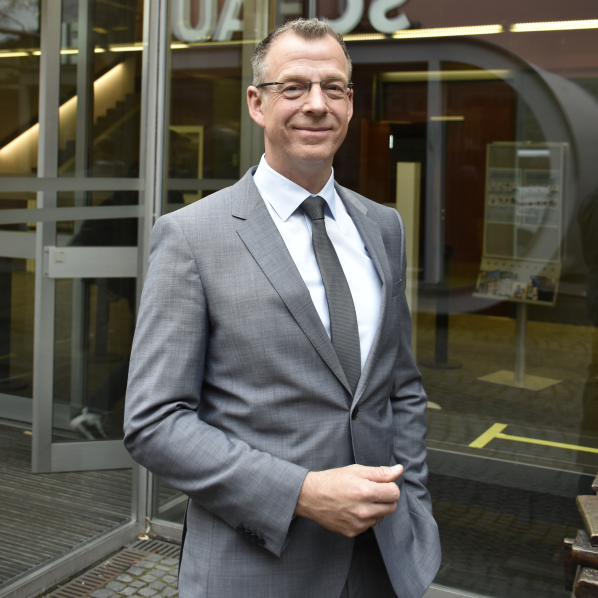
5 questions for museum director Dr. Ulf Sölter
1. what requirements do you have for the new Gutenberg Museum building?
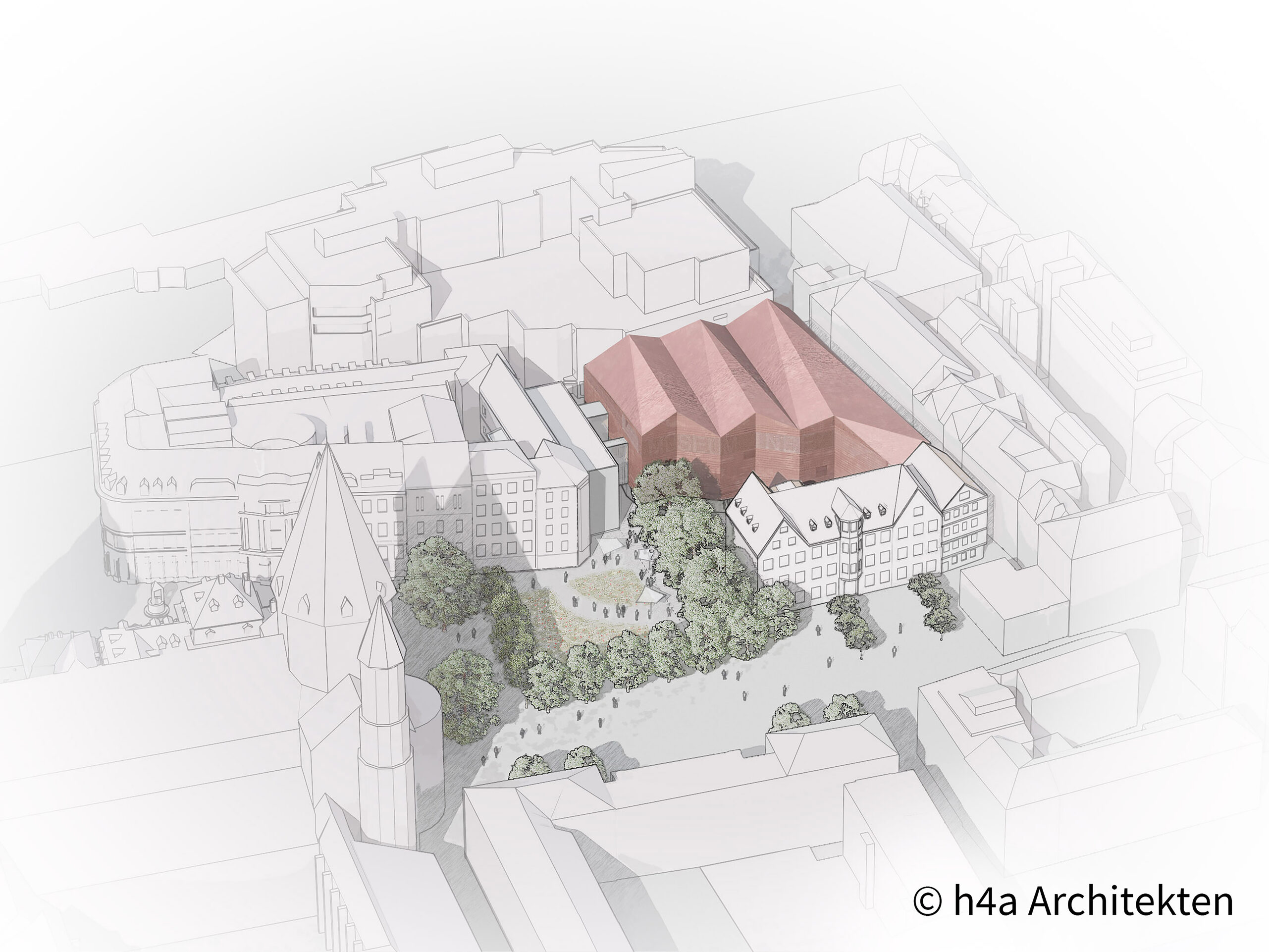
Our Gutenberg Museum is a place that brings Gutenberg's legacy to life through the senses. Whether it's smelling the ink in the print shop, hearing the press kiss during our printing demonstration, or viewing the Gutenberg Bibles in the vault: our journalistic identity began and continues to begin with these sensory impressions. This unique form of perception combined with information gathering is a unique selling point in the museum sector, which is to be given new appreciation in the new building.
Exhibition spaces with a well-thought-out digital and analog exhibition concept are the cornerstones of the demanding requirements profile that the Gutenberg Museum continues to pursue.
2. you spoke of museums as "third places" - what does this mean in concrete terms?
Currently, the compass of the museum landscape is pointing in a new direction: the firm anchoring of museums in urban society and the associated reinterpretation of content communication.
So-called "third places" enable an audience—to stick with the metaphorical explanation—to access a public communication space where cultural exchange takes place and there is room for barrier-free participation. And the Gutenberg Museum certainly offers this space! Together with its "experimental laboratory," the print shop, the Gutenberg Museum is a popular and lively meeting place that either awakens or deepens interest in the art of printing.
3. how does the Gutenberg Museum contribute to the "mainz feeling"?
Since its founding in 1900, the Gutenberg Museum has been a cornerstone of Mainz's cultural landscape and, alongside "Weck, Worscht und Woi" (bread rolls, sausage, and wine), is part of the Mainz way of life for many residents.
The mere fact that Johannes Gutenberg worked and lived here lends our museum a charisma and authenticity that corresponds to the "Mainz feeling." This is known to stand for conviviality and openness, but also for home. Three attributes with which our museum, located in a historic site not far from Gutenberg's workshop, can identify.
4. which special exhibitions would you like to realize and reinterpret in the new Gutenberg Museum?
As the "world museum of printing," the Gutenberg Museum houses a unique collection on the history of printing and writing from around the world and has hosted a wide range of special exhibitions in the past. I have had very positive experiences with collaborative projects—not only with partners from the museum world. I would like to continue this approach in Mainz in order to reach as wide an audience as possible. The art of printing is a living medium, which is expressed in exciting ways in a variety of fascinating positions. In our exhibitions, we not only want to tell the meaningful history of the art of printing, but also be a forum for the art that is being created today and in the present.
5 What narrative should the Gutenberg Museum tell once it has moved into the interim premises?
Museums of the 21st century are interactive places of experience that are subject to a narrative, i.e., a "told creation of meaning."
For the interim, we are currently developing narrative strategies to present the history of European book printing to our visitors in terms of content, media, and space.
Workshops continue to teach artistic and artisanal printing techniques and give our guests an idea of the impact Gutenberg's "start-up" has had on today's digital world. We look forward to continuing to share this vision with our museum visitors during the interim phase in the halls of the Natural History Museum.