
Confusion and deception
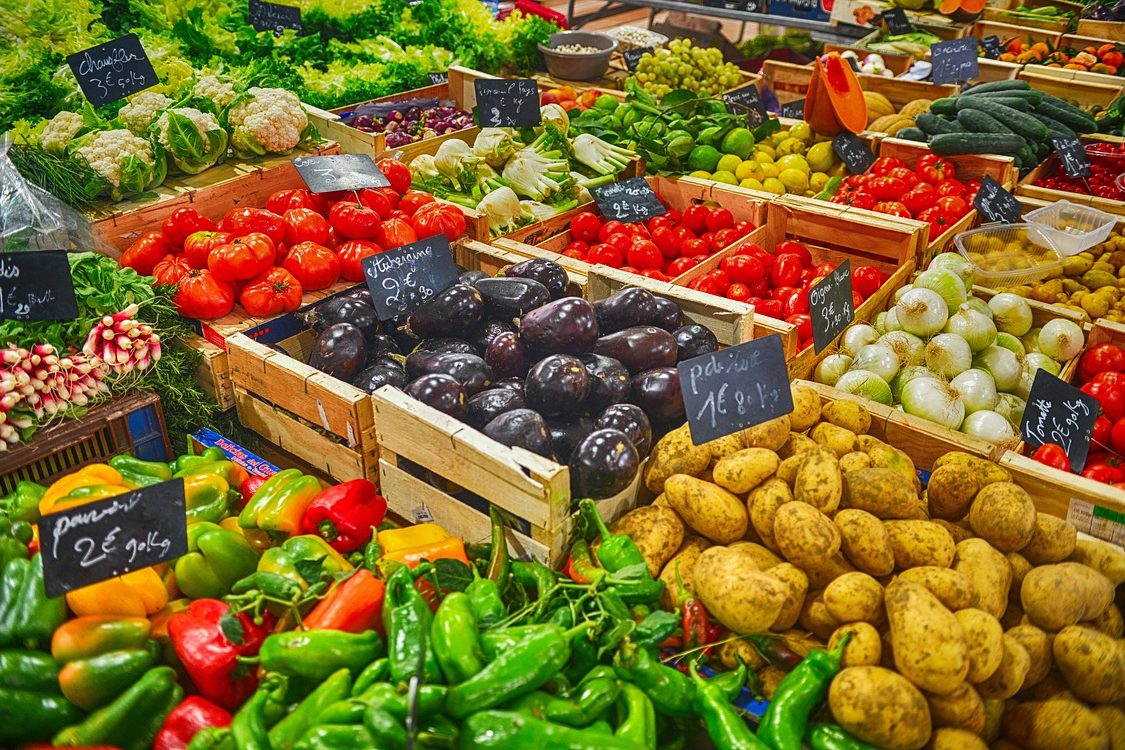
Environmental tip from the Mainzer Umweltladen
In addition to organic products, products sourced locally have also been growing in popularity in recent years. So-called regional foods have the aura of environmental sustainability and local patriotism. Short transport routes and support for the local or regional economy certainly make sense, but since there are no legally binding criteria for regional labeling as yet, confusion and deception are inevitable.
Supermarket chains, food retailers, and the food industry are naturally responding to the popularity of regional products and presenting slogans and supposed labels such as "From our region," "A good piece of home," or "Best from...". But questions remain: How far does "regional" go? All of Germany compared to imported goods? Or only up to the borders of a federal state? Or no further than 50 kilometers? Do all ingredients in a product always have to come from the ominous region? Or only half?
Since the beginning of 2014, consumers have been able to purchase products labeled with the "regional window." Thanks to this information field on sales packaging, consumers can see at a glance where the ingredients come from and where they were processed. However, many consumer advocates consider this seal to be too imprecise in its definitions. Terms such as "home," "local," or "close to home" have always been very subjective and vague.
A few years ago, the magazine Öko-Test took a close look at some products labeled as regional foods. Of the 53 products with regional references that were examined, the testers rated only 14 as genuine regional products. Strictly speaking, a genuine regional food should be defined as follows:
- All raw materials used in the product must originate from the specified geographical region.
- All raw materials used in the product must have been processed in the labeled region.
- The product should be marketed exclusively in the indicated region.
Some consumer organizations also demand that 100 percent of the ingredients in individual products and 95 percent of the ingredients in composite foods must come from the specified region.
To help clear up some of the confusion and prevent industrial deception, here are a few tips:
- Only buying genuine regional products supports the local economy, i.e., local retailers and manufacturers, and reduces the impact on the environment thanks to short transport routes. So shop at weekly markets, long-established bakeries and butchers, and farm shops, and ask about the place of origin if necessary.
- Follow the seasonal calendar for fruit and vegetables and buy fresh regional produce.
- Regional products are not organic products! They can also contain pesticides if they have been produced conventionally. And not every pig from the neighborhood slaughtered by your trusted butcher has been kept in a more species-appropriate manner than an "industrial pig."
- Always pay attention to the list of ingredients. Even with excellent and explicitly advertised regional products, you should play it safe.
- Many regional initiatives (e.g., SooNahe) offer transparent production, which you can verify at open houses or farm festivals, as well as extensive information about the products on offer.
- Consuming genuine regional products protects the climate: for example, one kilo of asparagus from Peru causes 17 times more greenhouse gas emissions than the same amount from local fields.
More info
Contact us
Address
Environmental store
Mainzer Umweltladen
Steingasse 3
55116 Mainz