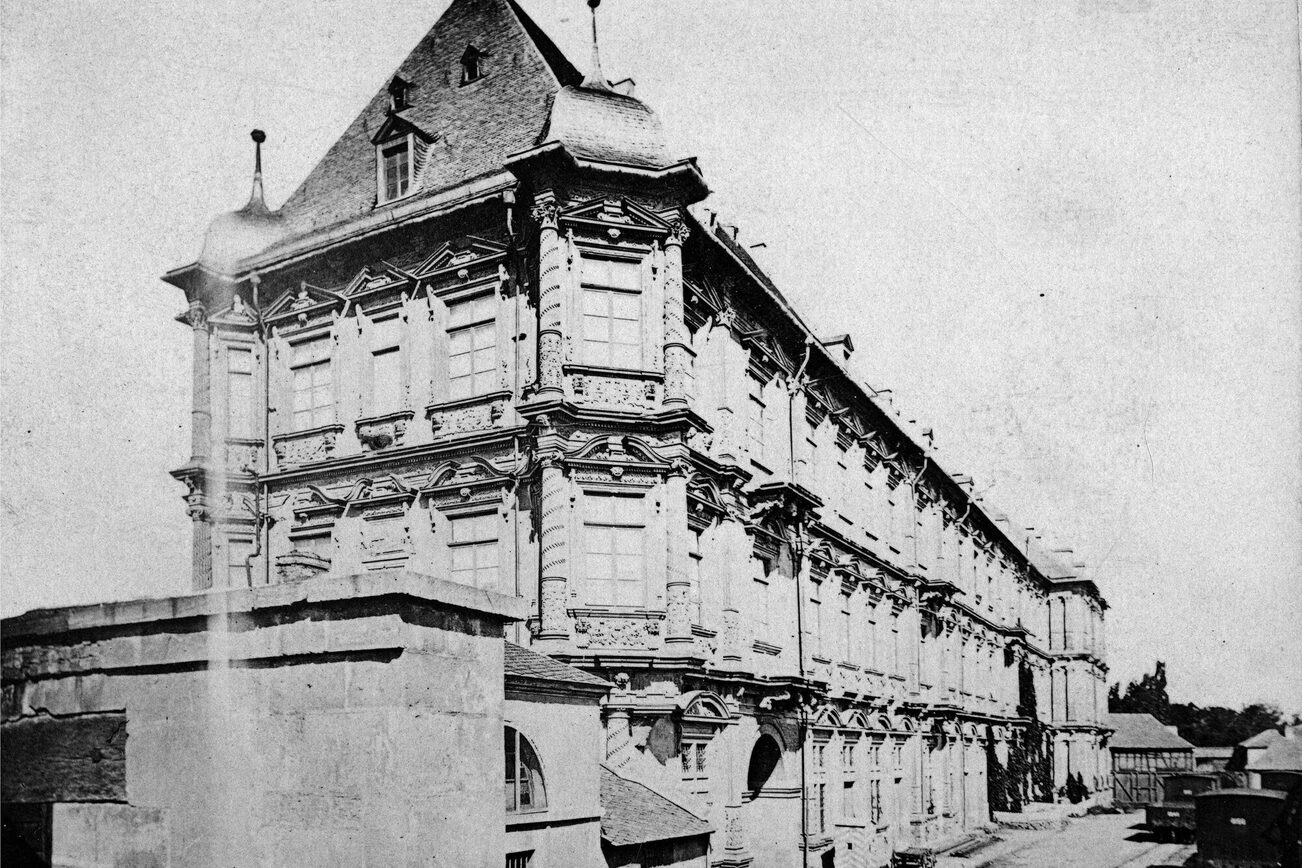
Residential cities in transformation
A new book sheds light on how Mainz and other cities coped with the loss of their residential function
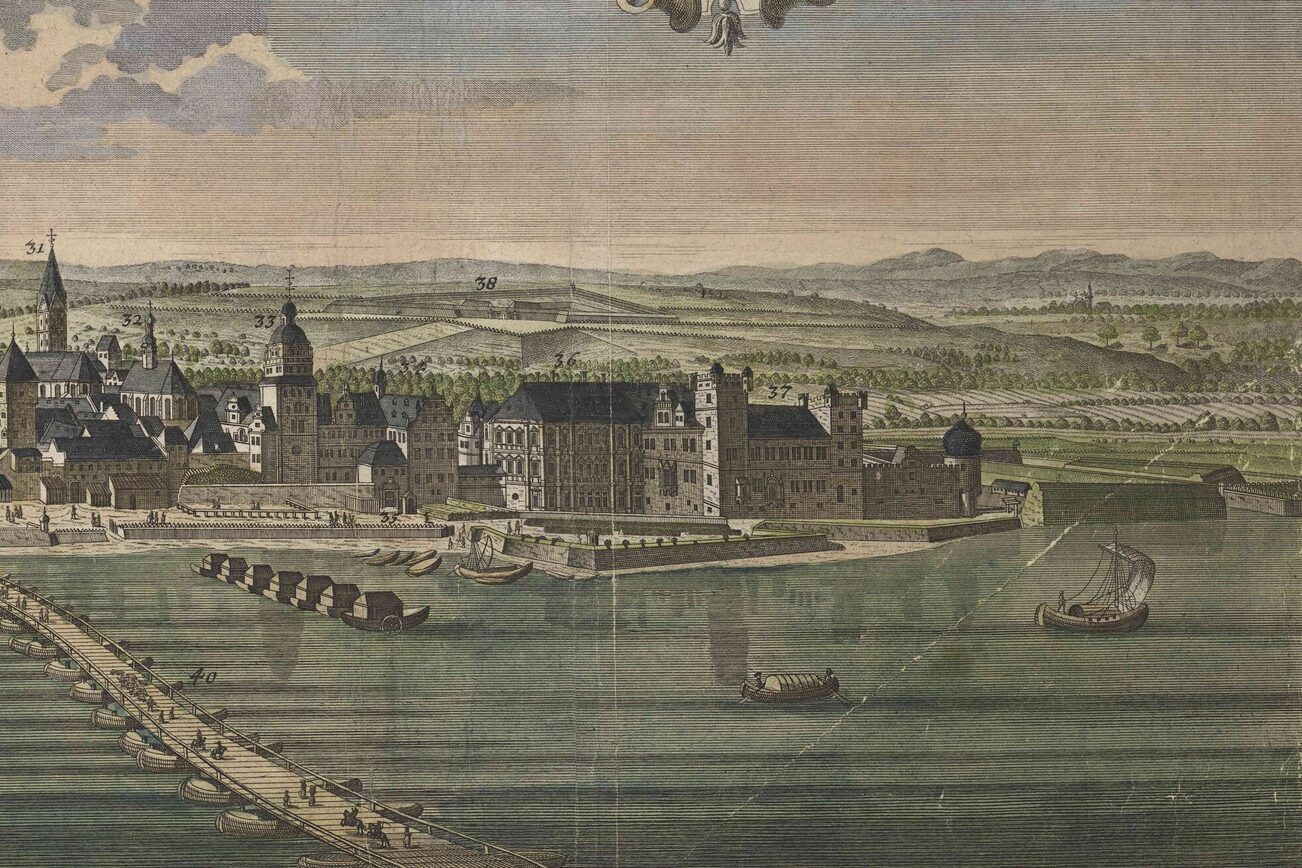
What happened to royal seats when rulers and courts ignored them, left them, or were forced to leave them? This volume, which originated at a conference of the Southwest German Working Group for Urban History Research in Mainz in 2021, examines this dynamic process of losing their function as royal seats from an interdisciplinary perspective, using German and Austrian cities from the Middle Ages to modern times as examples.

A comparison reveals how differently cities dealt with the changed situation. The loss did not always have to mean decline, whether because the ruler provided compensation or because the focus on education and culture opened up new opportunities. The volume also addresses the question of how the cultural heritage of former residences, which is still visible today, not least in castles and historic townscapes, can be utilized in a democratic state.
Three articles deal with Mainz in detail.
- Wolfgang Dobras: Crafts and trades without a court. The consequences of the loss of the residence for Mainz's privileged professions after 1797.
- Georg Peter Karn: From city palace to comptoir. Mainz noble courts after the end of the Electorate.
- Matthias Müller: Benchmark, challenge, provocation. The architectural heritage of the electoral residence city in the state capital of the Federal Republic of Germany – the example of Mainz.