
Yew
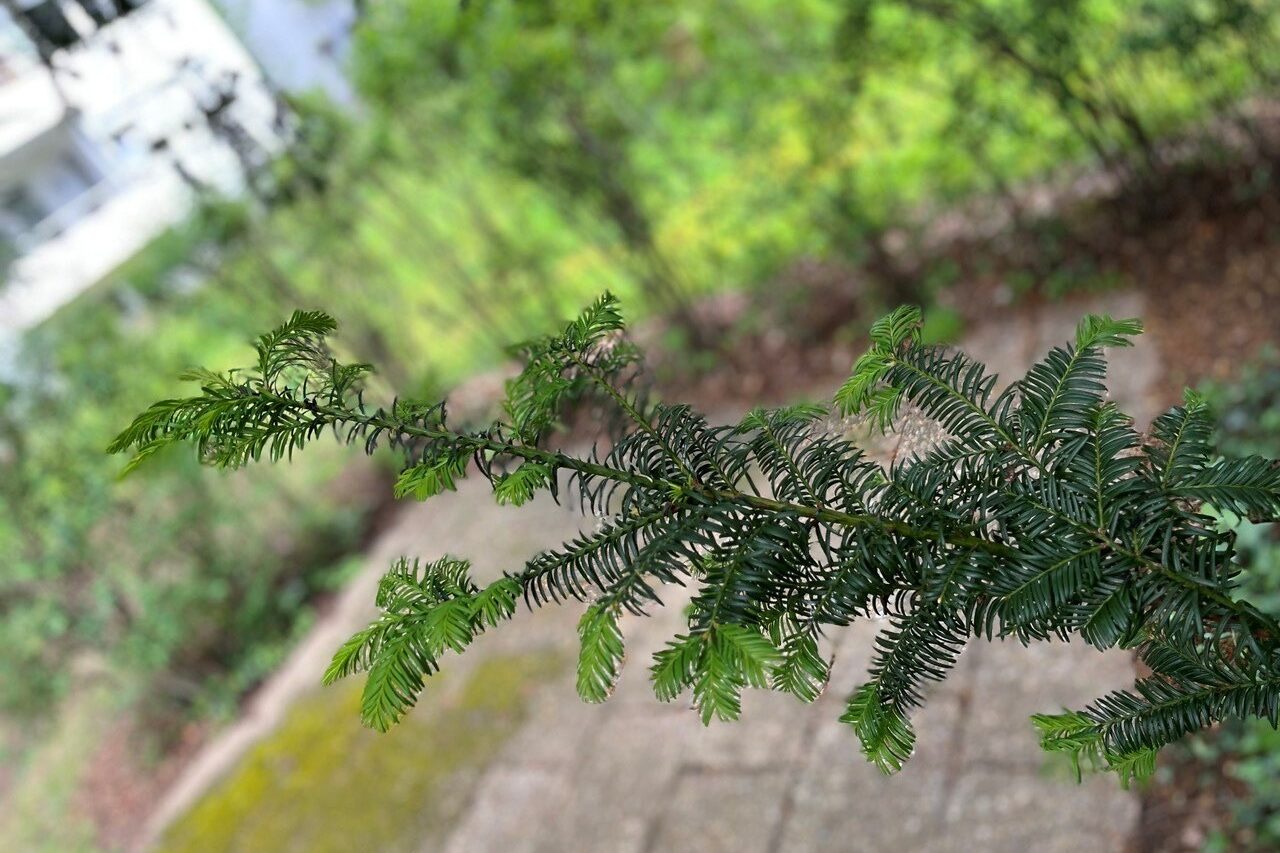
The European yew is the most shade-tolerant tree species in Europe and, of the native conifer species, can reach the highest age of over 1000 years. It is a protected plant species and is on the Red List of endangered species in Germany. Centuries of overuse have led to a significant decline in its population. Yew wood is exceptionally hard and elastic. As early as 300,000 years ago, the wood was used for spearheads. The Romans and medieval Europeans used the wood for bows and crossbows. It was named Tree of the Year in 1994 and Poisonous Plant of the Year in 2011. Except for the red-colored seed coat and seed pollen, all parts of the plant are poisonous.
- Origin: Europe, North Africa, Asia Minor, Caucasus
- Height: 10-15 m high and 8-12 m wide
- Leaves: evergreen, needle-shaped, black-green, 2-rowed, linear, gradually tapering to a short point, 1 to 3 cm long
- Flower: plant is dioecious, male flowers in yellow heads, female flowers inconspicuous, March/April
- Fruit: red, fleshy seed coat (aril) enclosing seeds 6-7 mm long and 3.5 mm wide
- Soil/location: generally tolerant of different locations, but prefers fresh to moist, nutrient-rich, calcareous soils, thrives in both sunny and shady locations