
Fall leaves are valuable: Protect them naturally instead of cleaning them up thoroughly
Leaving leaves on the ground helps animals, protects the soil, and promotes natural humus formation.
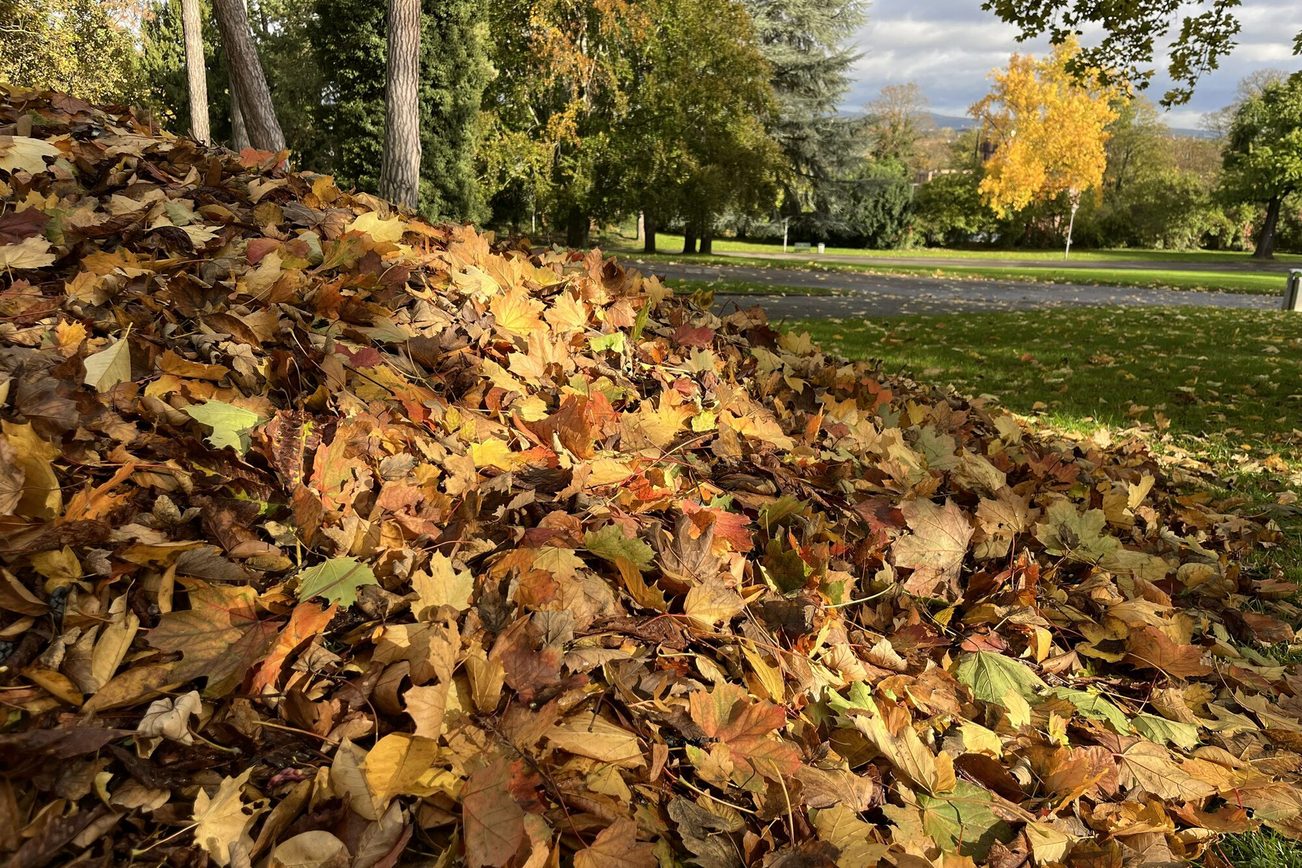
When the leaves turn colorful in the fall and fall to the ground, many animals begin their search for a sheltered winter home. Janina Steinkrüger, Director of Environmental Affairs, therefore recommends being mindful of nature during fall cleanup and leaving the leaves where they are whenever possible—especially under trees, shrubs, and in flower beds.
“Leaving some leaves in the garden this fall is a simple yet effective way to contribute to nature conservation and species protection. What looks like garden waste to us is a vital refuge for many animals and a valuable natural resource and protective layer for the soil,” emphasizes Steinkrüger.
Leaves Provide Food and Natural Soil Protection
Fallen leaves are an important part of the natural nutrient cycle. Earthworms, woodlice, and other soil organisms break down the leaves, while fungi and bacteria further decompose them. This process creates valuable humus, and the nutrients it contains gradually become available to plants again. At the same time, the layer of fallen leaves protects the soil from drying out, low temperatures, and erosion caused by rain.
A winter home for numerous animals
Insects, spiders, and other small animals find food and shelter under and among the leaves. Many beetles, caterpillars, and butterflies overwinter in the leaf litter. Hedgehogs, toads, and other animals use sheltered piles of leaves and twigs as a refuge during the cold season. At the same time, birds find food there. By piling up leaves with branches and twigs, you create a habitat for animals right in your own yard.
Acting Ecologically in Just a Few Simple Steps
Of course, leaves don’t have to—and shouldn’t—be left lying everywhere: For safety reasons, they should be removed from paths and driveways. A thick layer of leaves on lawns is also undesirable, as it deprives the grass of light and air. However, the collected leaves can be put to good use, for example as mulch on flower beds or under hedges and shrubs. Composting is also a great way to produce valuable garden soil.
Another benefit: The layer of leaves suppresses the growth of some unwanted weeds. Shade-tolerant early-blooming plants, such as snowdrops or wood anemones, on the other hand, benefit from the protection provided by the leaves and can still grow in the spring.
The recommendation is therefore: tidy up less, let nature take its course. By intentionally leaving leaves and plant debris in the garden in the fall, you support biodiversity, improve and protect the soil, and create ideal conditions for a vibrant garden next spring.
If you’d like to see colorful blooms among the leaves during the gray winter months, you can still plant early-blooming bulbs as late as November, depending on the weather. Keep in mind that bulbs should be planted before the first frost so they have enough time to take root.